
"miel process"
400 article(s) found

Costa Rican coffee features small candle manor black pearl Costa Rican coffee suitable for hand brewing
Professional coffee knowledge exchange more coffee bean information please follow the coffee workshop (Wechat official account cafe_style) Costa Rica Candle Manor Black Pearl La Candelilla de Tarraz Black Pearl production area: Tarraz Tara pearl variety: Catuai Kaduai raw bean processing: Honey Coffee honey treatment manor record: 2010sintercaf champion 2007s

Costa Rican Coffee Costa Rica Microprocessing Plant.
Professional coffee knowledge exchange more coffee bean information Please follow the coffee workshop (Wechat official account cafe_style) microprocessing plant revolution before 2000, because the long-term downturn in the price of coffee beans in international trade prompted Costa Rican farmers to build their own processing plants, that is, the country's favorite "microprocessing plant revolution", Manuel Ant, operator of Herbazu.

Does honey treat the pulp of coffee beans? What are the characteristics of honey treatment?
Professional coffee knowledge exchange more coffee bean information please pay attention to the coffee workshop (Wechat official account cafe_style) honey processing coffee beans containing pulp? What are the characteristics of honey treatment? Honey treatment is a kind of treatment which is between the sun treatment and the washing method. It keeps the coffee clean, and although the brightness decreases, it increases the sweetness and caramel flavor of the coffee.

Costa Rica West Valley San Rafael Saint Raphael Microprocessing Field (honey processed beans) Introduction
Professional barista exchanges, please pay attention to coffee workshop (Weixin Official Accounts cafe_style ) Costa Rica West Valley San Rafael Saint Rafael Microprocessing Farm (honey processing beans) Costa Rica is the most stable and best quality coffee in Central America. Coffee production has a very long history. As early as the 19th century, it has been exported to Britain. In Costa Rica, Robusta varieties are prohibited by law.

What is Venice coffee? Introduction to the characteristic honey treatment of Costa Rican honeybee coffee
For more information about coffee beans, please follow the Coffee Workshop (official Wechat account cafe_style) Coffee Workshop is located in the south-central Costa Rican province of Punta Renas, a small town of SAN VITO in Golfitori, about 65 km northeast, surrounded by major mountains at 1600m above sea level. It attracted a large number of Italian immigrants in the early 1950s.

Introduction of Candelaria Candle Microprocessing Farm (Honey treated beans) in West Valley, Costa Rica
Professional coffee knowledge exchange more coffee bean information please follow the coffee workshop (Wechat official account cafe_style) Costa Rica West Valley Candelaria Candle Microprocessing Plant (Honey processed beans) Costa Rica is the most stable and best quality coffee in Central America, coffee production has a very long history, as early as the 19th century has been exported to the United Kingdom, in Costa Rica Robusta

Introduction to the flavor description of El Salvador black honey treated coffee bean manor
El Salvador black honey treatment coffee bean manor flavor description compared with other methods, honey treatment is easy to contaminate coffee beans, so it is necessary to pay close attention to the officials, in order to speed up drying and avoid the smell of fermentation. you need to keep turning the coffee beans. The coffee processed by this method is praised as an elegant product because it retains the black sugar of the coffee.

The treatment of coffee fruit
The harvest time of coffee fruit produced in different countries and regions is different, usually when the coffee fruit is bright red when the flower thickness is about 7 to 8 months, which is called "coffee cherry" (coffee cherries). The definition of treatment refers to the removal of the exocarp, endocarp, silver skin of coffee cherry. Wait for five parts, and finally get the coffee beans.

Niagara Jim Molina Manor Honey treatment Red bourbon species is Robusta or Arabica
Global coffee bean tree species are mainly divided into: Arabica and Canephora, of which Arabica coffee beans account for more than 100 coffee varieties of 70%80%coffee. The more common coffee varieties are: Arabica Arabica, with outstanding personality and unique flavor, is the main force of boutique coffee, mainly used in coffee shop management and high-end coffee market supply; Robsta
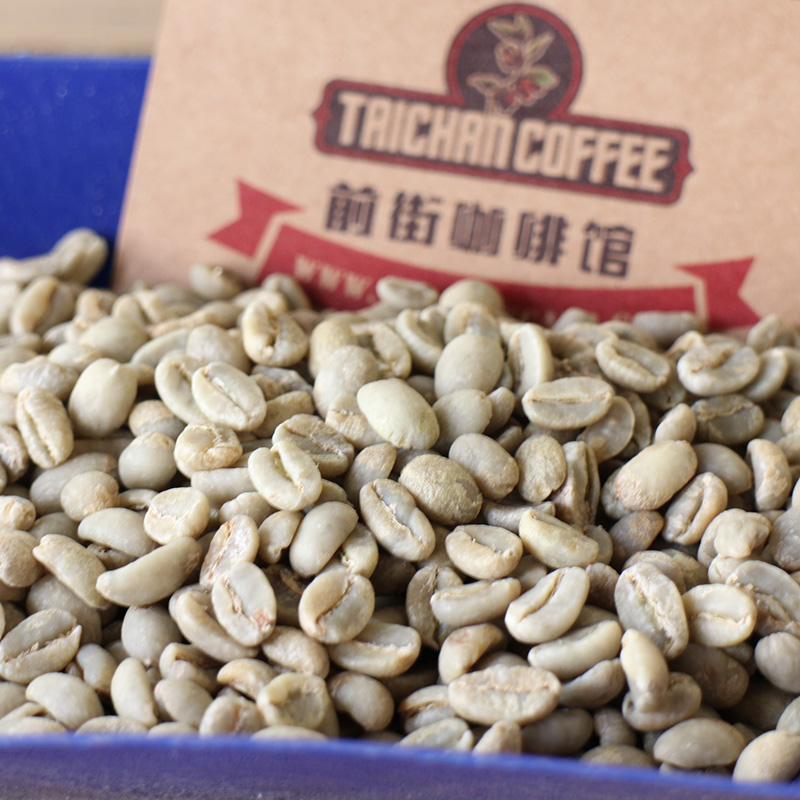
Nicaraguan Jim Molina Manor Honey treated Red Bourbon Coffee Raw beans Fine Coffee Raw beans
Nicaragua is mainly divided into four major producing areas, namely, Bosnia and Herzegovina Sub-region (Segovias), Madaguelba / Henodeka region (Matagalpa/Jinotega), Borgo region (Boaco) and Pacific Coast region (Pacific). The highest planting height in Bosnia and Herzegovina is about 1BI 5002000, and the coffee produced is the highest SHG (StrictlyHighGrown). Fire everywhere

Introduction to special coffee culture of Costa Rican coffee bean flavor and taste producing area
Coffee changed the country of Costa Rica. In Costa Rica, coffee farmers have a very high status, because the volcanic soil is very fertile and rich in nutritional value, which provides the nutritional value of coffee when it was imported to Britain in 1820. It was called the "golden bean" of Costa Rica by the British aristocracy.

Costa Rican Coffee Costa Rica Herba Manor introduces Costa Rican coffee flavor
Professional coffee knowledge exchange more coffee bean information please follow the coffee workshop (Wechat official account cafe_style) Costa Rica is the most stable and best quality coffee in Central America, coffee production has a very long history as early as the 19th century 1800 coffee was exported to the United Kingdom, in 1880 the concept of fine coffee has not yet been formed, many high-altitude high-quality coffee

Flavor description and taste characteristics of coffee beans treated with fragrant Costa Rican Tarazu red honey
The flavor of coffee beans treated with Costa Rican Tara beads red honey describes the taste characteristics of coffee beans. Tara beads have the best soil and high yield in Costa Rica. Tarazhu coffee has a refreshing blueberry aroma and sweet juice, while Boaz volcano coffee is sweeter and has some smoky aromas than Tarazu fruit. Three River Valley Coffee (

Description of taste and flavor of coffee and bean washing method introduction to grinding scale of manor variety production area
Coffee bean washing method taste and flavor description manor variety production area grinding scale introduction most Caribbean and Central American countries express quality in terms of altitude. For example, the eastern region of Costa Rica produces LGA (Low Grown Atlantic Atlantic low altitude), MGA (Medium Grown Atlantic Mid-Atlantic altitude), and HGA (High Grown Atlantic Atlantic High altitude)

What are the varieties of semi-washed coffee beans | characteristics of semi-washed Sumatran coffee
For more information on coffee beans, please follow the coffee workshop (Wechat official account cafe_style). In the world of semi-washed (Semi-Washed) treatment, it is subdivided into several similar treatments, namely, pulp solarization invented in Brazil (Pulped Natural), honey treatment in Costa Rica (Honey Process/Miel Process) and Mante in Indonesia.

Introduction to the Flavor of Candelaria Candle Microprocessing Cup in West Valley of Costa Rica
Professional barista exchanges please follow the coffee workshop (Wechat official account cafe_style) Costa Rica West Valley Candelaria Candle Microprocessing Plant (Honey processed beans) Costa Rica is the most stable and best quality coffee in Central America, coffee production has a very long history, as early as the 19th century has been exported to the United Kingdom, in Costa Rica Robusta varieties are prohibited by law

A brief analysis of the common coffee bean treatment methods the differences between coffee bean treatment methods and their advantages and disadvantages
Professional coffee knowledge exchange more coffee bean information please follow the coffee workshop (Wechat official account cafe_style) how coffee is made, several common coffee raw bean treatment methods are well known, there are many ways to treat coffee beans, but do you know the difference between these treatments? Some of the most common treatments, the sun treatment, will first turn the mature or semi-mature

Western Valley of Costa Rica| San Rafael Saint Raphael Microprocessing Field Honey Processing Cadura
Professional coffee knowledge exchange More coffee bean information Please pay attention to coffee workshop (Weixin Official Accounts cafe_style) Costa Rica western valley| San Rafael Saint Raphael Microprocessing Field Honey Processing Kadura, Kaduai Flavor? Costa Rica is the best and most stable coffee in Central America. Coffee production has a very long history, and it has been lost as early as the 19th century.

Characteristics of Costa Rican Lomas al Rio washing treatment Plant Costa Rican Coffee treatment
Professional coffee knowledge exchange more coffee bean information please pay attention to the coffee workshop (Wechat official account cafe_style) Costa Rican coffee is the most stable quality of Central American coffee, the most important is that the coffee grows in the complete shade of big trees and cool rainy night and the morning and evening temperature difference in the natural environment, coupled with rich soil and stable progress of the middle and rear treatment to Costa Rica

Costa Rican coffee, Costa Rican coffee processing method can be described as a master bold
Costa Rica's output is not large, with an annual output of about 110,000 tons, ranking seventh in Central and South America. Colombia is dominated by new coffee varieties, such as kadura, kaduai, new world, etc., ancient bourbon and tibeka are rare. There are also many varieties derived from the territory, the most famous is the Bourbon variety of birds Irasaki, belonging to the elegant flavor of the species, Brazil has also been introduced to plant, has won awards